Japanese Courses in Kyoto, Japan (2026)
Japanese courses in Kyoto put you in Japan’s ancient capital, a city of about 1.4 million people with Fushimi Inari, Gion and the Arashiyama bamboo forest on your doorstep. You learn in class in the morning, then use your Japanese at Nishiki Market, in downtown cafés and on the banks of the Kamo River. Many passports can study here for up to 90 days with no visa, and a Working Holiday visa opens up longer stays. Request a free quote on this page and a ViveCampus advisor will help you plan your Japanese course in Kyoto around your goals and your budget.


 1. Tell us your goal
 2. We shortlist schools
 3. We handle the paperwork
 4. Ready to Start
TL;DR: Quick summary
Kyoto is the Japan everyone pictures: red torii gates, bamboo forests, golden temples and lantern-lit streets. You study Japanese in small classes, then practise it every day in markets, cafés and shopping streets. Downtown fills with young people at night, and Osaka is about 30 minutes away by train.
- Many passports can study in Japan for up to 90 days with no visa
- Longer stays on a Working Holiday visa, for the nationalities that have one
- Kyoto’s minimum wage is around JPY 1,180 an hour for Working Holiday visa holders
- Classes for every level, including complete beginners
- Free ISIC student card when you apply through ViveCampus
ViveCampus
ViveCampus has helped students study abroad for 15+ years, working with 5,000+ students so far. We help you choose a program, apply to the school, and prepare for arrival: entry paperwork, housing, and what your first week will look like. Every payment goes straight to the school, and our help costs you nothing. We match the course, the length and your accommodation to what you want from your time in Kyoto.

Which Japanese language schools in Kyoto should you consider?
These are the Japanese language schools we work with in Kyoto, each with its own size, style and strengths. Click any school to see its full page, courses and location.
- LTL Language School
LTL teaches Japanese in small groups and 1-on-1, from complete beginner upwards, with 4 hours of class every weekday. Add Safari lessons and your teacher takes you out to Nishiki Market and onto the city buses. Homestays come with your own room, breakfast and dinner.


Some language schools offer exclusive discounts when you apply through ViveCampus. Contact us for more details.
Source: ViveCampus

Why do students choose Kyoto?
A city where every street looks like a postcard and every day gives you a new reason to speak Japanese. It suits students who want real progress in the language and a life full of things to see.

Many passports can visit Japan for up to 90 days with no visa, and a short course fits right into that stay. Book your course, book your flight, and you’re on your way.
Walk through more than 5,000 orange torii gates at Fushimi Inari, cross the Togetsu-kyo Bridge in Arashiyama and watch Kinkaku-ji glow gold on its pond. These are the photos everyone wants, and here they’re your weekend plans.
Shijo, Kawaramachi and Nishiki Market are where Kyoto shops, eats and goes out. At night the area becomes a favourite meeting spot for young people, so you always have somewhere to practise your Japanese.
Kyoto’s subway and city buses reach most sights in town. One IC card covers both, and it also works on trains and buses all across Japan.
Cherry blossoms in April, riverside dining in summer, glowing maple leaves in November. Big festivals mark the year, from the Gion Matsuri all through July to the bonfires on the mountains in August.
Osaka is about 30 minutes away on a JR Special Rapid train. The forests, temples and shrines of Kurama and Kibune sit in the hills to the north, with a hiking trail between them.
Many passports can visit Japan for up to 90 days with no visa, enough time for a short Japanese course in Kyoto.

Kyoto: The Essentials
The essentials for your first days in Kyoto, all in one place.



How do you choose the right Japanese program in Kyoto?
These recommendations come from years of helping students study abroad. They draw on our educational consultants, our partner schools, and above all the students who have lived the experience.
Recommendations and Considerations

Choosing the School - Look at class size, teaching hours, accommodation and what happens outside class. In Kyoto, some lessons even move out into the city, so you practise at the market or on the bus. See the school on this page, and our consultants will help you plan the course that fits you best.

Choosing the Program - Small group classes give you 4 hours of Japanese every weekday and classmates to explore with. 1-on-1 lessons are built around your goals and your pace. You can also mix the two, or add lessons out in the city, where your teacher helps you order lunch and find the right bus. Choose the one that matches the goal you have in mind.

Length of the Program - Courses start from 2 weeks. On many passports you can stay up to 90 days with no visa, so a course of up to about 12 weeks fits into one trip. Want more time? A Working Holiday visa opens up a longer stay, for the nationalities that have one. Every extra week adds more speaking, more friends and more of the city.

Minimum Age - Adults of every age are welcome to study Japanese in Kyoto. Each school sets its own entry age for adult courses. Tell us your age, or your child’s, and we’ll find the right fit.
Minimum Japanese Level - You can start from any level, including complete beginner. Never studied Japanese before? That’s exactly where many students begin, and you’ll be using your first phrases in shops and cafés within days.

Visa Regulations - Your entry depends on your passport and how long you want to stay. Many passports can visit Japan for up to 90 days with no visa, and a short course is allowed on that Temporary Visitor status. For a longer stay, a Working Holiday visa lets you study and work, for the nationalities that have one. Plan it before you travel, and check your own passport and nationality. We prepare the paperwork with you.
| Your plan | What you usually need | Who it’s for | Work |
|---|---|---|---|
| A short course of up to 90 days | No visa, as a Temporary Visitor | Many passports: check yours | Study and travel time |
| A short course, other passports | A short-term visa from a Japanese embassy, with the school’s letter of acceptance | Passports that need a visa to visit | Study and travel time |
| A longer stay | Working Holiday visa | Certain nationalities: check yours | Work allowed |

Working While You Study - On a Working Holiday visa you can study Japanese and work, a great way to use the language every day. Kyoto’s minimum wage is around JPY 1,180 an hour, and every shift is extra speaking practice. On visa-free entry, your time is all yours for classes, friends and trips around Kansai.

Accommodation - Homestay is a wonderful way to live in Kyoto. You get your own room in a local family’s home, with breakfast and dinner included, and you practise Japanese at the table every evening. Want more independence? Tell us your dates and your budget and we will find the option that suits you.

Getting Around and Daily Life - Kyoto City Bus & Subway takes you to most of the city’s sights. An ICOCA or other IC card works on both, and on trains and buses all across Japan. On sightseeing days, the Subway & Bus 1-Day Pass gives you unlimited rides, and the official visitor site has route tips and cycling courses for a day on two wheels.

Costs Involved - Your budget covers tuition, accommodation, transport and daily life. The table below shows where your money goes. Tuition and accommodation vary by school, course and season, so ask us for a current quote with all the numbers in one place.
| What you pay for | Typical cost (JPY) | Worth knowing |
|---|---|---|
| Tuition | Varies by school and course | Ask us for a current quote for your dates |
| Homestay | Varies by school and season | Your own room, with breakfast and dinner included |
| Public transport | Around 230 for a one-way ticket | A Subway & Bus 1-Day Pass for sightseeing days |
| Lunch out | Around 1,500 | Inexpensive restaurants all over the city |
| Visa-free entry | No visa needed on many passports | Up to 90 days for a short course |
| Working Holiday visa | Depends on your nationality | For a longer stay with work allowed |
| Part-time earnings | From around 1,180 an hour | Kyoto’s minimum wage, on a Working Holiday visa |

The biggest part of your budget is usually living costs rather than the course itself, so we help you look at the whole picture when you plan your stay.
Source: ViveCampus

Weather in Kyoto
Kyoto sits in a basin with mountains on three sides, so you live four clear seasons. Spring and autumn are mild and sunny, summers are hot and lively, and winters are crisp. Every season brings its own festivals and colours.
| Month | Season | Min °C | Max °C |
|---|---|---|---|
| January | Winter | 2 | 9 |
| February | Winter | 2 | 10 |
| March | Spring | 4 | 14 |
| April | Spring | 9 | 20 |
| May | Spring | 15 | 25 |
| June | Summer | 19 | 28 |
| July | Summer | 24 | 32 |
| August | Summer | 25 | 34 |
| September | Autumn | 21 | 29 |
| October | Autumn | 14 | 23 |
| November | Autumn | 8 | 17 |
| December | Winter | 4 | 12 |
In April and October afternoons reach around 20 to 23 °C, perfect weather for exploring the city on foot or by bike.
Source: Japan Meteorological Agency climate normals, 1991 to 2020

Cost of living in Kyoto
Here is what everyday life costs in Kyoto, so you can plan your budget with confidence. These are typical city prices in Japanese yen for the things you buy in a normal week. Ask us for a quote and we’ll put your course, your accommodation and these everyday costs together for you.
| What you buy | Typical price (JPY) |
|---|---|
| Cappuccino in a café | around 520 |
| Lunch at an inexpensive restaurant | around 1,500 |
| Fast-food combo meal | around 800 |
| Loaf of bread (500 g) | around 260 |
| Milk (1 litre) | around 240 |
| A dozen eggs | around 340 |
| Rice (1 kg) | around 920 |
| Chicken fillets (1 kg) | around 1,240 |
| Apples (1 kg) | around 800 |
| One-way bus or subway ticket | around 230 |
| Mobile phone plan with data, per month | around 3,800 |
| Gym membership, per month | around 8,700 |
| Cinema ticket | around 2,150 |
On sightseeing days, a Subway & Bus 1-Day Pass lets you ride as much as you like and gets you discounts at museums and shops.
Source: Numbeo, Kyoto cost of living

Where students live in Kyoto
Kyoto is a city of neighbourhoods with real character, and the subway and city buses link them all to downtown. These are the areas international students love most.

Downtown Kyoto, with Nishiki Market, department stores and the big shopping street of Shijo-dori. At night it becomes a favourite meeting spot for young people.
The city’s main gateway, with trains, the subway and buses at your door. Umekoji Park and Kyoto Aquarium are just to the west.
Lantern-lit streets of tea houses, restaurants, bars and cafés, with Yasaka-jinja and Kiyomizu-dera a walk away.
Kyoto’s cultural district, with museums, theatres, a zoo and the Philosopher’s Path nearby. Kyoto University is just around the corner.
A calm, traditional part of the north-west, home to Kinkaku-ji and the Nishijin weaving district. A lovely, quieter side of the city.
The south of the city, with Fushimi Inari, canals, local shopping streets and more than 20 sake breweries. Fushimi Inari is about 10 minutes from Kyoto Station by train.
Wherever you live, one IC card takes you across Kyoto’s subway and city buses, and on trains all over Japan.
Source: ViveCampus

Getting from the airport to Kyoto
You fly into Kansai International Airport (KIX) or Osaka Itami Airport, and direct trains and buses bring you to Kyoto the same day.

The easiest start. Your school can usually arrange a pickup at arrivals, and some arrival packages add a pre-charged transport card and a SIM card too.

The JR HARUKA runs direct from Kansai Airport to Kyoto Station in about 80 minutes. Visitors entering Japan as Temporary Visitors can book a discounted one-way ticket before they fly.

Direct buses run from Kansai Airport to Kyoto Station in about 100 minutes, and from Itami in about 50 to 55 minutes. Your luggage travels with you.
From Osaka Itami Airport, take the Osaka Monorail and change to the Hankyu line for downtown Kyoto. You reach Karasuma or Kyoto-Kawaramachi in about 60 minutes.
Send us your flight details when you book and we will help you plan your first trip into Kyoto.
Source: Kyoto City Tourism Association, JR West and Kansai Airport Transportation Enterprise

Things to do in Kyoto
Between classes and at weekends, Kyoto gives you famous sights, mountain trails, digital art and a lively downtown. These are the favourites of international students.
Main attractions
Events through the year
Kyoto celebrates all year round. Here is when each big moment comes around, so you can plan your stay to catch your favourites. The organisers publish the exact dates each year.
| Event | Time of year | What to expect |
|---|---|---|
| Cherry blossom season | April | Picnics and parties under the blossoms in parks and along the rivers |
| Aoi Matsuri | Mid-May | A grand procession in court costumes, with oxen, horses and hollyhock leaves |
| Riverside dining on the Kamo River | May to mid-October | Restaurant terraces open over the river for cool summer evenings |
| Gion Matsuri | All of July | One of Japan’s three great festivals, with giant decorated floats parading through downtown |
| Gozan Okuribi | Mid-August | Huge bonfire characters light up the mountains around the city one by one |
| Jidai Matsuri | Late October | A costume parade through more than 1,000 years of Kyoto’s history |
| Autumn leaves | November | Red and gold maples, with evening light-ups at many temples |
Many of these moments happen out in the streets, parks and riverbanks, so there is always something to enjoy with your classmates.

Kyoto in images



ViveCampus can help you
A ViveCampus advisor reviews your needs, age, goals, Japanese level, budget and start date, then plans the course in Kyoto that fits you best.
Our advice is completely free, and the process is 100% transparent. You make all payments directly to your chosen school.
When you apply through ViveCampus, you receive support from both the school and our team. We will guide you through the application, the entry requirements and your arrival in Kyoto.
Students who apply to a Japanese program through ViveCampus also receive the ISIC International Student Identity Card, recognised worldwide, with great discounts in Kyoto and across Japan on travel, attractions, food and shopping.
Steps you should follow
1. Tell us your goal A short conversation about your needs, level, budget, dates and what you are looking for.
2. We shortlist schools You get a written comparison of your real options, with total costs.
3. We handle the paperwork Application, letter of acceptance and the documents your entry needs.
4. Ready to Start Accommodation confirmed, payments processed, and someone to call whenever you need a hand.

Other cities to study Japanese in Japan
Kyoto is a wonderful place to start, and Japan has much more to offer. These cities also have language schools we work with, each with its own lifestyle.
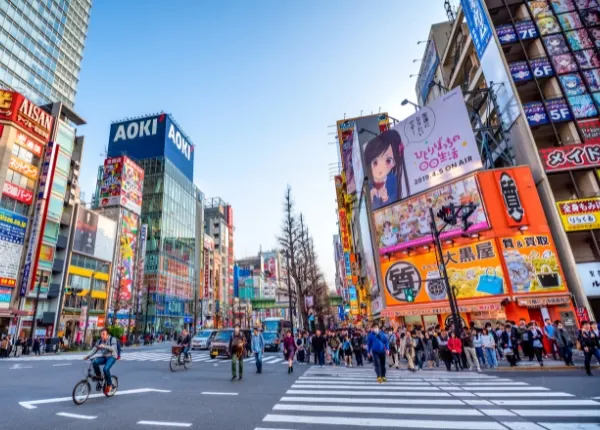
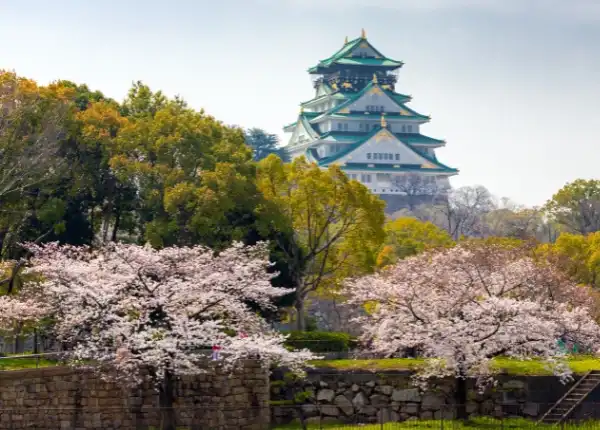

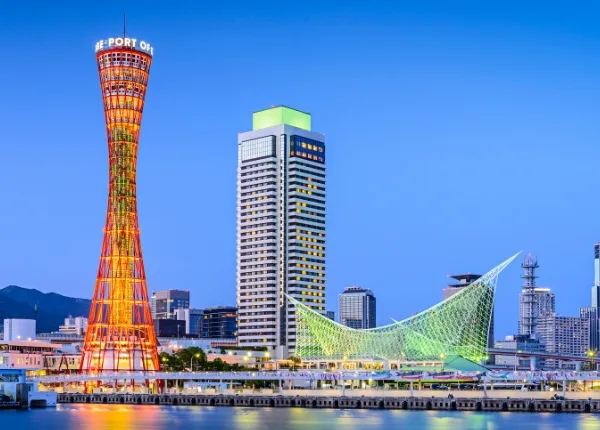

Up to 90 days of study with no visa on many passports works the same in every city on this list.
Source: ViveCampus

Frequently Asked Questions
The questions students ask our advisors most often before booking a Japanese course in Kyoto, covering visas, work, costs, levels and daily life. Wherever a rule applies, we point you to the official source.

Do I need a visa to study Japanese in Kyoto?
On many passports, no. You can visit Japan for up to 90 days with no visa, and a short course is allowed on that Temporary Visitor status. Some passports get a shorter stay or need a short-term visa, so check yours. Send us your nationality and your dates and we’ll map out your entry with you.
Can I stay longer than 90 days?
Yes, with a Working Holiday visa, if your nationality has one with Japan. It lets you study Japanese and work during your stay. You apply for it before you travel, so plan it early. Tell us your nationality and we’ll help you check.
Can I work while I study Japanese in Kyoto?
Yes, on a Working Holiday visa. Kyoto’s minimum wage is around JPY 1,180 an hour, and every shift is extra Japanese practice. On visa-free entry, your stay is for classes, friends and travel, which is plenty to fill your days.
How much does it cost to study Japanese in Kyoto?
Your budget depends on the course, its length and how you choose to live. Tuition and accommodation vary by school and season, so we give you a personalised quote with all the numbers together. For everyday life, lunch at an inexpensive restaurant is around JPY 1,500 and a bus or subway ride around JPY 230. Send us the contact form for your quote.
Which language schools do you work with in Kyoto?
You can see every school we work with in Kyoto on this page, with its courses, accommodation and full profile. Our consultants go through them with you and recommend the course that fits your goals.
Do I need to speak Japanese before I arrive?
Not at all. Courses in Kyoto welcome every level, including complete beginners. You start with the basics in class and use your first phrases at the market, on the bus and with your homestay family within days.
How long should my Japanese course be?
Courses start from 2 weeks. On visa-free entry you can stay up to 90 days, so a course of 4 to 12 weeks fits neatly into one trip. With a Working Holiday visa you can stay longer. Tell us your goals and we will suggest the length that suits you.
Where will I live in Kyoto?
Homestay is a great choice: your own room with a local family, with breakfast and dinner included. It’s the fastest way to make your Japanese part of everyday life. Tell us what you are looking for and we will arrange the option that suits you.
How do I get around Kyoto?
Kyoto City Bus & Subway takes you to most of the sights, and an ICOCA or other IC card works on both. A Subway & Bus 1-Day Pass is great for sightseeing days, and many students also explore by bike. From Kyoto Station, JR trains reach Osaka in about 30 minutes.
Is Kyoto safe for international students?
Yes. Kyoto’s official visitor site says it is safe and easy to get around after dark, even on your own. There’s a night bus from Kawaramachi and Gion to Kyoto Station, and many trains run until around midnight. Save 110 for police and 119 for fire and ambulance.
What is the weather like in Kyoto?
Kyoto has four clear seasons. Spring and autumn are mild and sunny, perfect for walking and cycling. Summers are hot, with festivals and riverside dining, and winters are crisp, with afternoons around 9 to 12 °C. The Japan Meteorological Agency publishes the local forecast.
What is the ISIC card and how do I get it?
The ISIC International Student Identity Card is recognised worldwide and gives you discounts on travel, attractions, food and shopping. Students who apply to a Japanese program in Kyoto through ViveCampus receive it, and it is a great way to make your budget go further while you explore Kyoto and the rest of Japan.
Don’t see your question here? Send it through the form below and a ViveCampus advisor will answer it directly. Asking costs nothing and commits you to nothing.
Source: ViveCampus
Fill out the form below. It only takes 2 minutes to start your journey!

Get a Quote
Fill out the form and a ViveCampus advisor will reach out by email or phone to go over courses, costs and start dates that fit your plan. Our service is 100% free for you.

TODAY
